

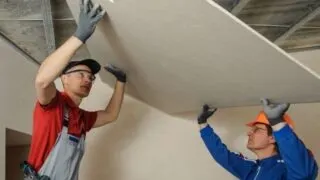
I often heard sheet rockers talk about blue board but never really understood what it was. I’ve done some research on it over the years and this is what I’ve learned: Blue board is a type of plaster used when drywall won’t be enough. It is a durable plaster that can protect against scrapes and …
Paul
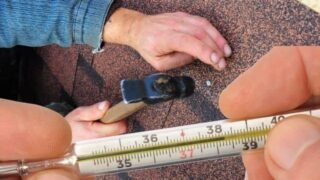
It’s the middle of winter, but you have a roofing emergency. You may be wondering how cold is too cold for roofing your house. The temperature that is too cold for roofing is 30 degrees Fahrenheit. Most roofing companies will tell you they don’t install roofs below 40 degrees. This is because asphalt shingles tend …


If you spend a lot of time using your garage, you might be wondering if you should hang drywall in the room. Drywall can provide a lot of benefits to your home. With some tools and a little know-how, it can be a DIY project to install. Drywall your garage for the cleanest finished look. …
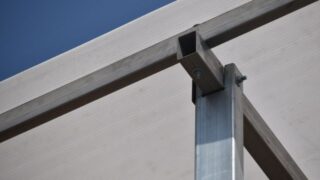

Polycarbonate sheets are tough and can usually withstand just about any abuse. You can use them on patios, greenhouses, and anywhere you want some natural light – just don’t step on the sheets while you’re installing them. You should never walk on polycarbonate roofing unless it’s well-supported underneath. While polycarbonate roofing can sustain a lot …
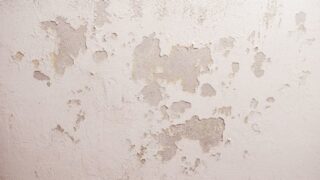
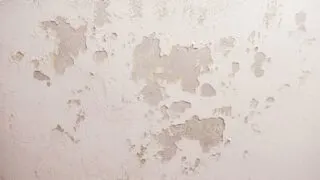
Water makes up such a huge part of our planet that it is not surprising to find it in our homes. However, water damage is also a major problem in homes. Often moisture shows up as condensation on the wall, or even moisture present inside the wall. Unless you can see a visible leak, humidity …


Concrete slabs are one of two primary foundational sources for houses around the United States, especially in areas that are prone to having higher subterranean water levels that make a basement impossible. When you’re building a house and you’re using a concrete slab, you should be aware of how long that slab needs to cure …
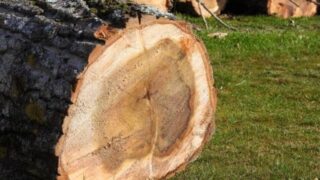

Poplar wood is often considered for timber framing due to its straight, unblemished trunks. Timber framing is where wood is carved to fit like puzzle pieces and put together like Lincoln Logs. The ideal wood to use is straight and structurally sound as this wood acts as the bones of your building. Poplar wood is …
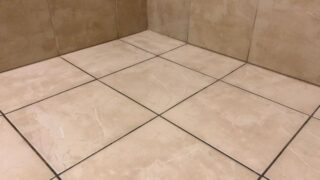

At times, wall and floor tiles appear nearly identical. This similarity leads many to wonder if they are interchangeable. Wall tiles should not be used on the floor. Wall tiles are not built to be durable enough to walk on. They also tend to lack texture resulting in slippery surfaces. Wall and floor tiles each …


While EIFS and Stucco share the same sleek appearance, they are very different from each other. One consists of two layers and has a longer lifespan, and the second, although it is multi-layered, is not as sturdy. To the untrained eye, these two appear to be one and the same. However, with some training, one …
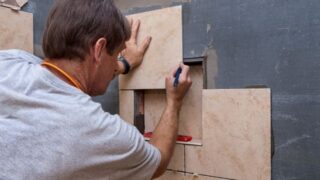
Due to constantly being exposed to water, most showers use tiles to keep the shower clean and safe and prevent molding. However, figuring out tile placement and height can be quite tricky for this. Shower tiles should generally be approximately six feet and two inches high in the shower. This height covers the minimum of …